When the Beans Freeze at the Border
A founder's name and a company's risk are supposed to be two different things, right up until the day they are not. Tatyana Kim learned the difference on a tight clock. She stepped down as chief executive of Russia's Wildberries just days after the European Union hit the company with an asset freeze and a set of travel and transaction bans, targeting it as a supply network rather than a shopfront.
That framing matters more than the resignation. Reuters reported the sequence plainly: sanctions first, departure second, the two events close enough together that nobody is pretending they are unrelated. When a measure goes after the plumbing of a business - the way goods move, the way money settles, the way transactions clear - it stops being a reputational problem and becomes an operational one. You can replace a slogan overnight. You cannot replace the pipes while they are frozen.
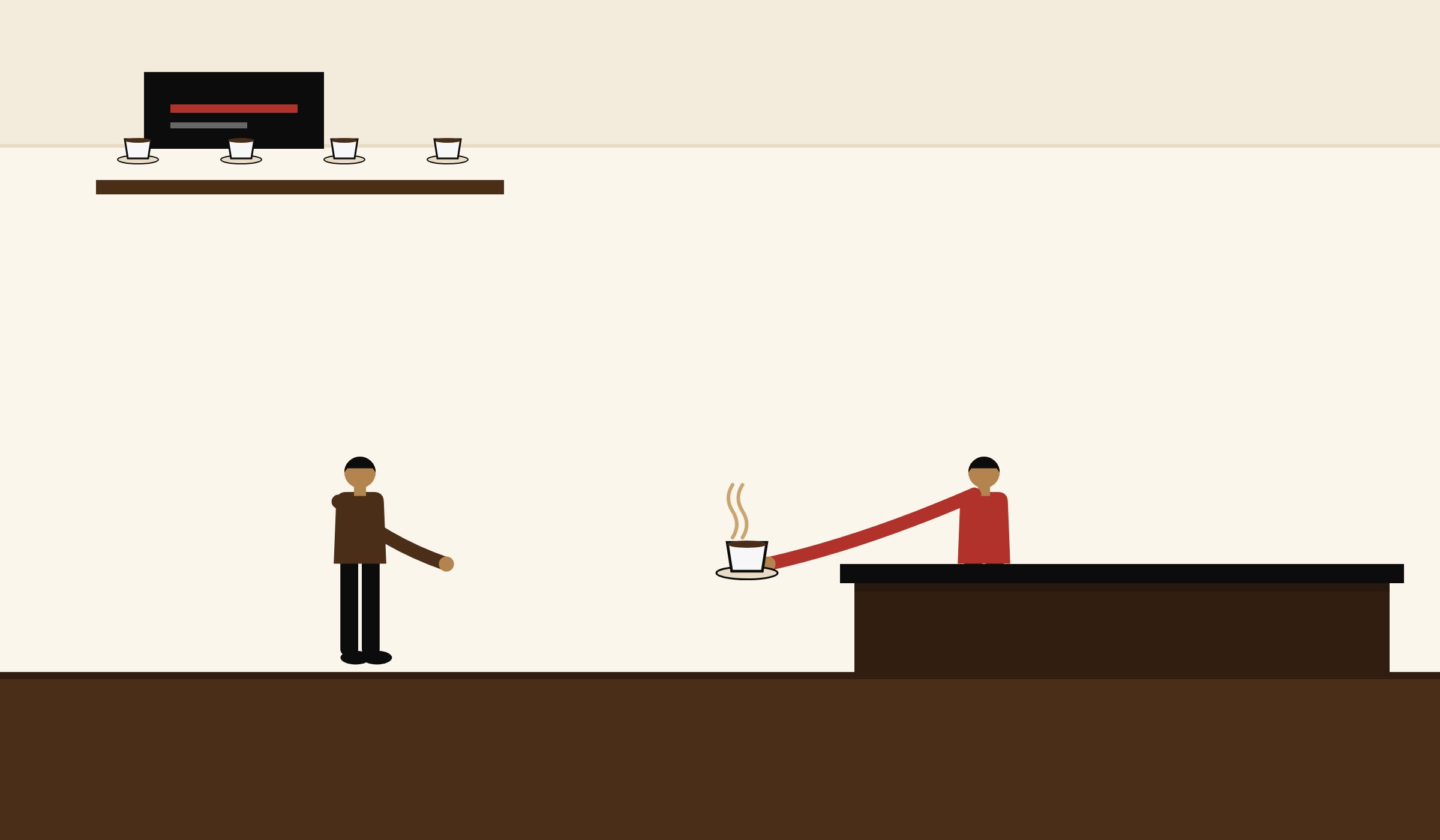
Picture a cafe that never actually owned a farm, a roaster, or a single bean. What it owned was the route. It knew which ports the sacks came through, which trucks ran which corridors, who to pay and when, so that a full hopper was always waiting when the doors opened. That invisible choreography was the whole business. Now imagine someone upstream quietly turns the valves, freezes the accounts the shipments depended on, bars the people who negotiated the lanes from travelling to arrange the next one. The espresso machine still gleams. The menu still reads the same. But the grounds stop arriving, and a cafe without grounds is just a warm room with good lighting. Sanctions aimed at a supply network are precisely that - not a strike on the storefront, but on the cold chain feeding it.
The insight for any builder is about where your real exposure lives, and it is almost never where the logo is. The glamorous part of a company is the brand people see. The fragile part is the logistics nobody notices until they seize up. Kim built something large enough that a bloc of governments decided the most effective pressure point was not the website or the warehouses but the arteries moving value in and out. That is a backhanded measure of scale, and also a warning. The bigger and more connected your network becomes, the more of your destiny sits in hands that are not yours - in clearing systems, border policies, and counterparties who can withdraw on a week's notice.
And then there is the matter of the name on the door. When the founder's identity is fused to the machine, the founder becomes a target in their own right, which is why travel and transaction bans landing on an individual can force a corporate reshuffle in days. Stepping down does not thaw a single frozen account. It is a move to decouple the person from the network so the network might keep breathing without her, the way a roaster hands off the keys so the shop can open even while the owner is stuck at a checkpoint somewhere.
There is no neat redemption arc here, and pretending otherwise would be dishonest. A business that lived by the route can die by the route. The lesson earned in the freeze is that distribution is not the boring back office of an empire; distribution is the empire, and whoever controls the valves controls your morning service. Build the most beautiful cafe in the world, and it still goes dark the moment someone decides the beans stop crossing the border. The only cup you can truly count on is the one you can still source when the map turns hostile.